Health and medical endorsements

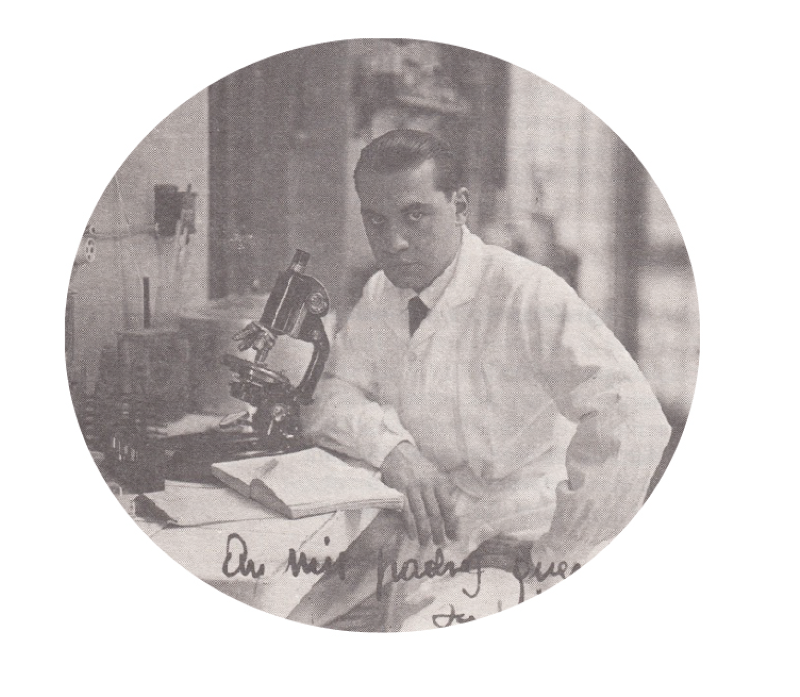
Created in Barcelona in 1955, this institution became Spain’s first Nephrology Service and, by 1961, the only university hospital specializing in Nephrology and Urology, dedicated to research, diagnosis, and treatment of related diseases, and founded by the pioneering Spanish nephrologist and urologist Antoni Puigvert i Gorro (1905-1990).
Antoni Puigtert i Gorro
Antoni Puigvert devoted his life to research, teaching, and treating kidney and urinary system diseases, becoming a pioneering figure in the 20th century as the main researcher and prescriber of Benassal Water, valued for its diuretic and therapeutic properties, which had been sold in pharmacies since 1928.
Present day
The hospital and foundation remain active and modernized in Barcelona, operating as a non-profit entity where physicians continue to recommend Benassal Water, despite it no longer being sold in pharmacies.

University of Valencia conducted a comprehensive study in 2010 on the health benefits of Agua de Benassal, examining its effects among different groups.
- Type: Medium hardness 23.7°
- Emergence temperature: 51.8 ° F
- pH: 7.78
- Style: Low Mineralization
Chemical Composition (mg/L):
- Total disolved solids at 180°C: 265
- Bicarbonate (HCO3): 264
- Sulfate (SO4): 21.3
- Chloride (CI): 4.9
- Calcium (Ca): 98.9
- Magnesium (Mg): 2.96
- Sodium (Na): 2.6
- Silica (SiO2): 4.8
Key Findings Summary
- Low Mineralization
Benassal Water is classified as an oligomineral or low-mineralization water, with a dry residue below 500 mg/L. Its main components are bicarbonate and calcium.
- Low Sodium Content
It has a sodium content below 20 mg/L, meeting the criteria for hyposodic (low-sodium) designation. This makes it ideal for daily hydration, especially for sensitive groups like pregnant women, young children, and those needing a low-sodium diet.
- Protective Effects Against Kidney Stones
The low sodium and high bicarbonate and calcium content help prevent the formation of common kidney stones, such as calcium oxalate, cystine, and uric acid stones. Regular hydration with Benassal Water can raise urinary pH without increasing sodium levels, thus reducing stone recurrence.
- Bone Health Support
Its relatively high calcium content and basic pH contribute to minimizing bone density loss, which is beneficial for osteoporosis management.
- Blood Pressure Regulation
The high calcium content may aid in lowering blood pressure, making it beneficial for individuals with hypertension or those at risk.
- Digestive and Diuretic Benefits
Due to its bicarbonate content and low sodium, Benassal Water can support digestion and has a diuretic effect that may assist in weight management.
- Potential Cardiovascular Benefits
While evidence is limited regarding hard water's impact on cardiovascular disease risk, Benassal Water's effects on blood pressure and kidney function could provide indirect cardiovascular support.